Loading Social Income...
Our work
Recipient app
© 2026 Social Income · Registered Non-Profit in Switzerland
Platform partner

© 2026 Social Income · Registered Non-Profit in Switzerland
Loading Social Income...
Loading Social Income...
© 2026 Social Income · Registered Non-Profit in Switzerland
Platform partner
© 2026 Social Income · Registered Non-Profit in Switzerland
Loading Social Income...
Stories, insights and updates on our journey to create impact.

The backbone of Social Income is our volunteers. However, volunteering is easy to drift out of. Here’s a quick rundown of how we’re managing our growing community.

Sixteen of us, one house in the Alps, and the hard questions we usually never have time for.
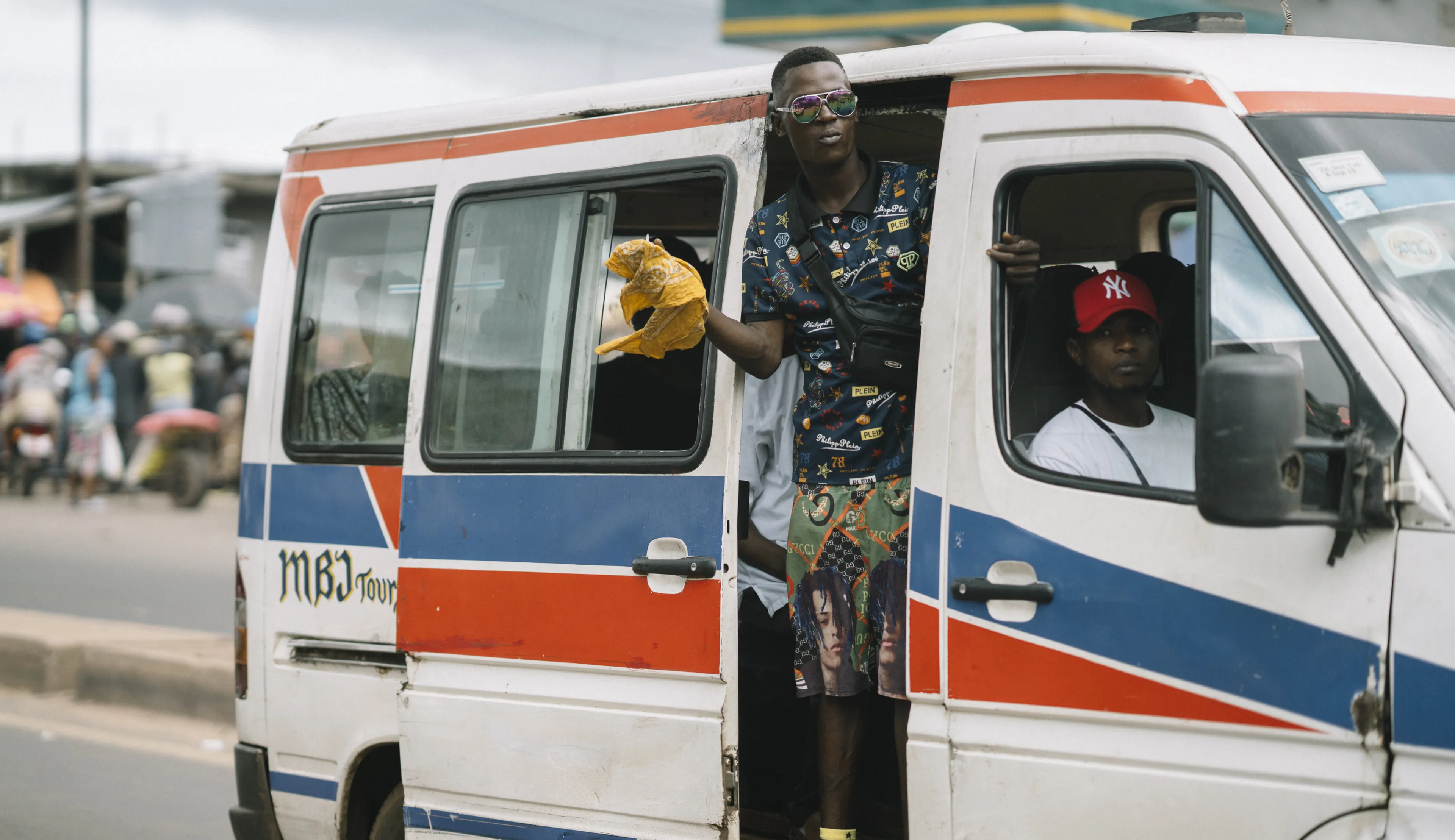
Mobile money is more than just convenience. It enables a whole new form of giving.

Scott Santens says talent just needs a floor to stand on. He's right. But this floor matters most exactly where it's rarest: in the places Social Income works.

Hemingway once said writing, at its best, is a lonely life. He was probably right. But he never spent a weekend in Bern with the rest of us.
There's no such thing as a perfect number. But there are ways to arrive at an amount that's grounded in local reality while remaining honest about limits. Here's how we get there.

Thirty studies across three continents looked at what happens when poor families receive cash. The myth that they spend it on booze did not survive a single one of these studies.
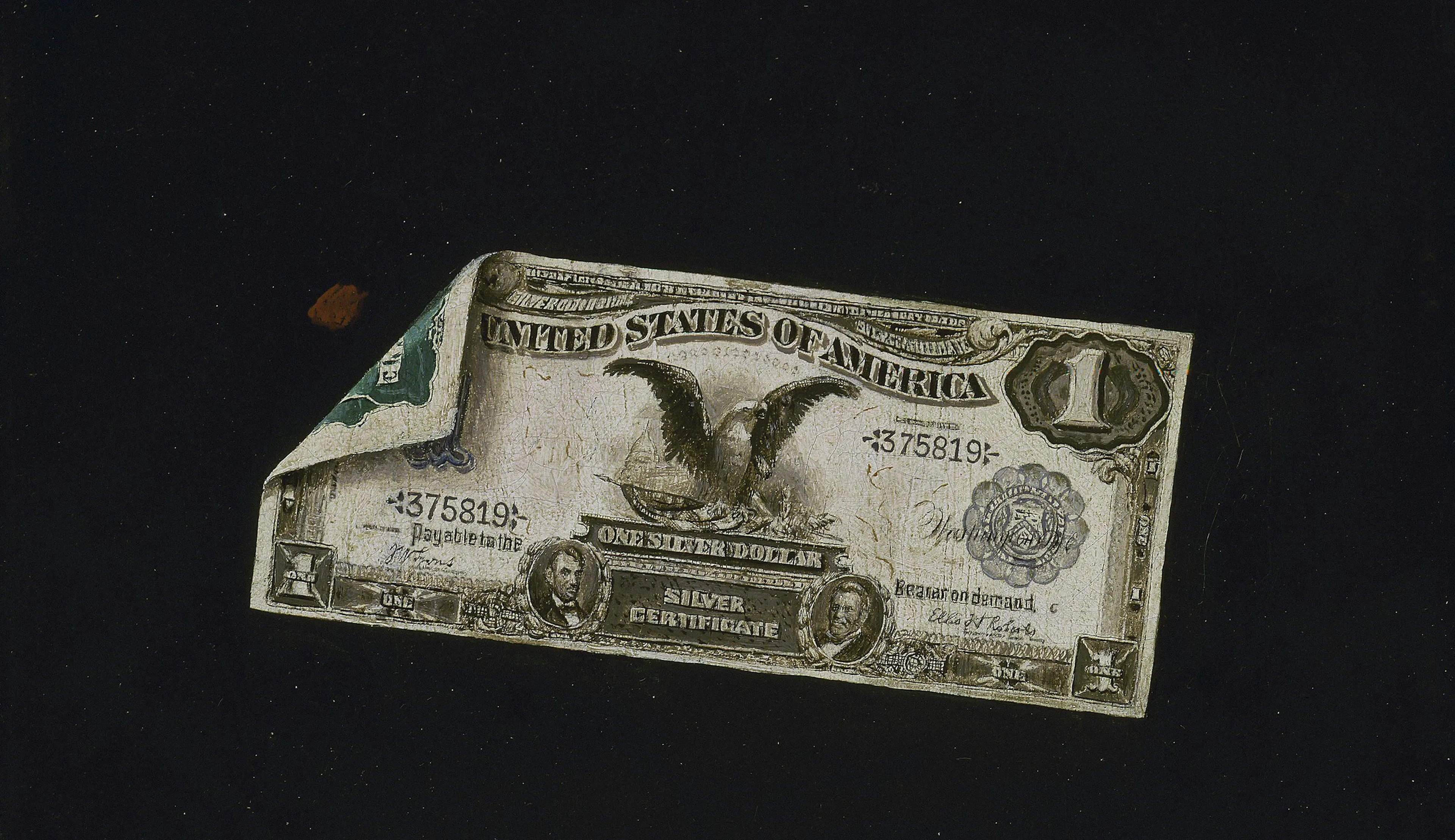
When you want to do something differently, the first hurdle is not the work itself – it’s fighting the classic adage: “But we have always done things this way”.
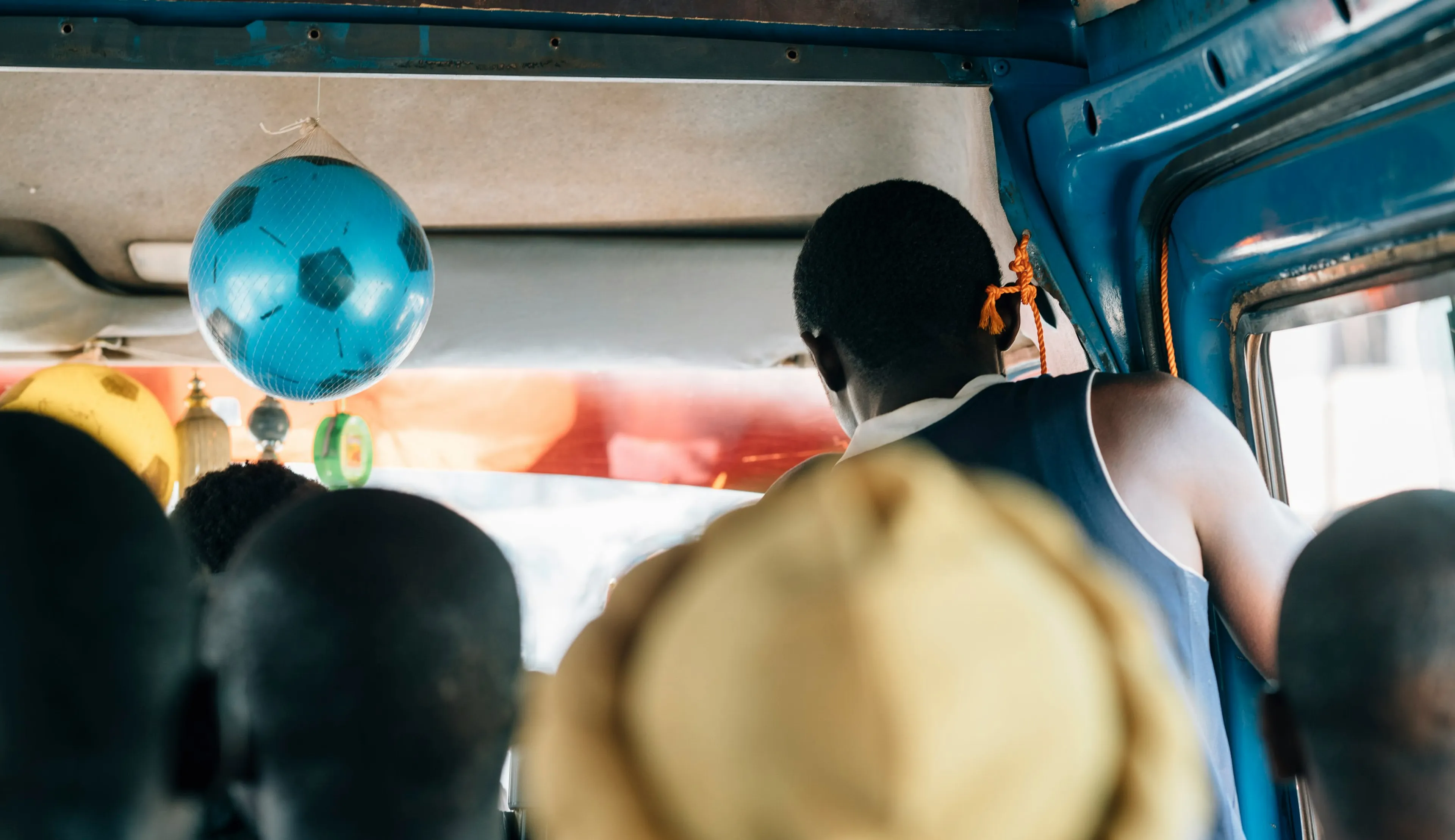
Round ten is coming, and it's bigger than a single winner. Most people talk about Basic Income. UBI4ALL just does it.
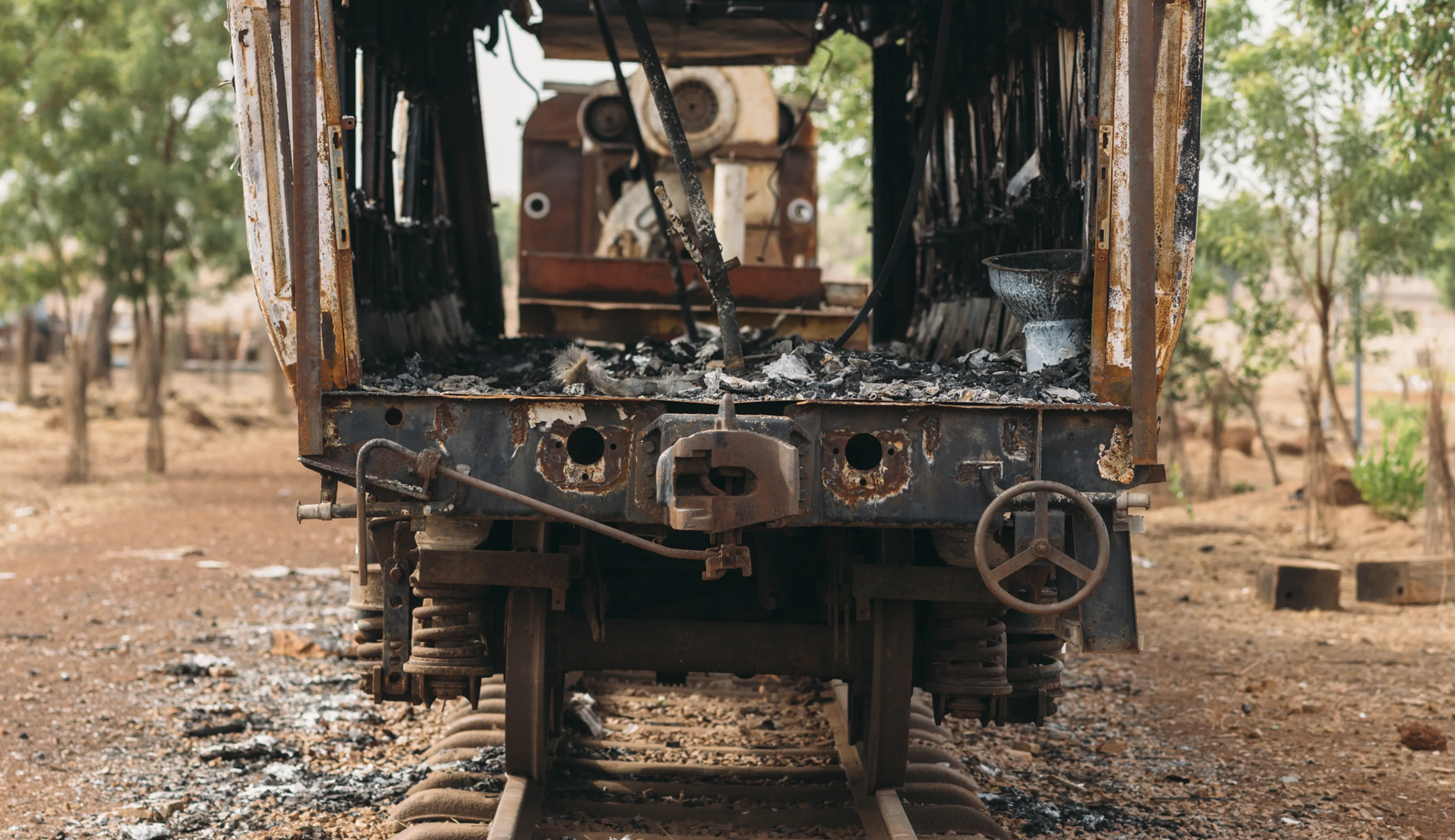
Sending cash to sub Saharan Africa costs close to 8%. The UN promised to get that number under 3% by 2030. Fifteen years in, it has barely decreased.

Ghana is a soft landing if you're new to Africa. Friendly, easy to navigate, and forgiving of beginners. You can land jet lagged and still find your hotel with ease.
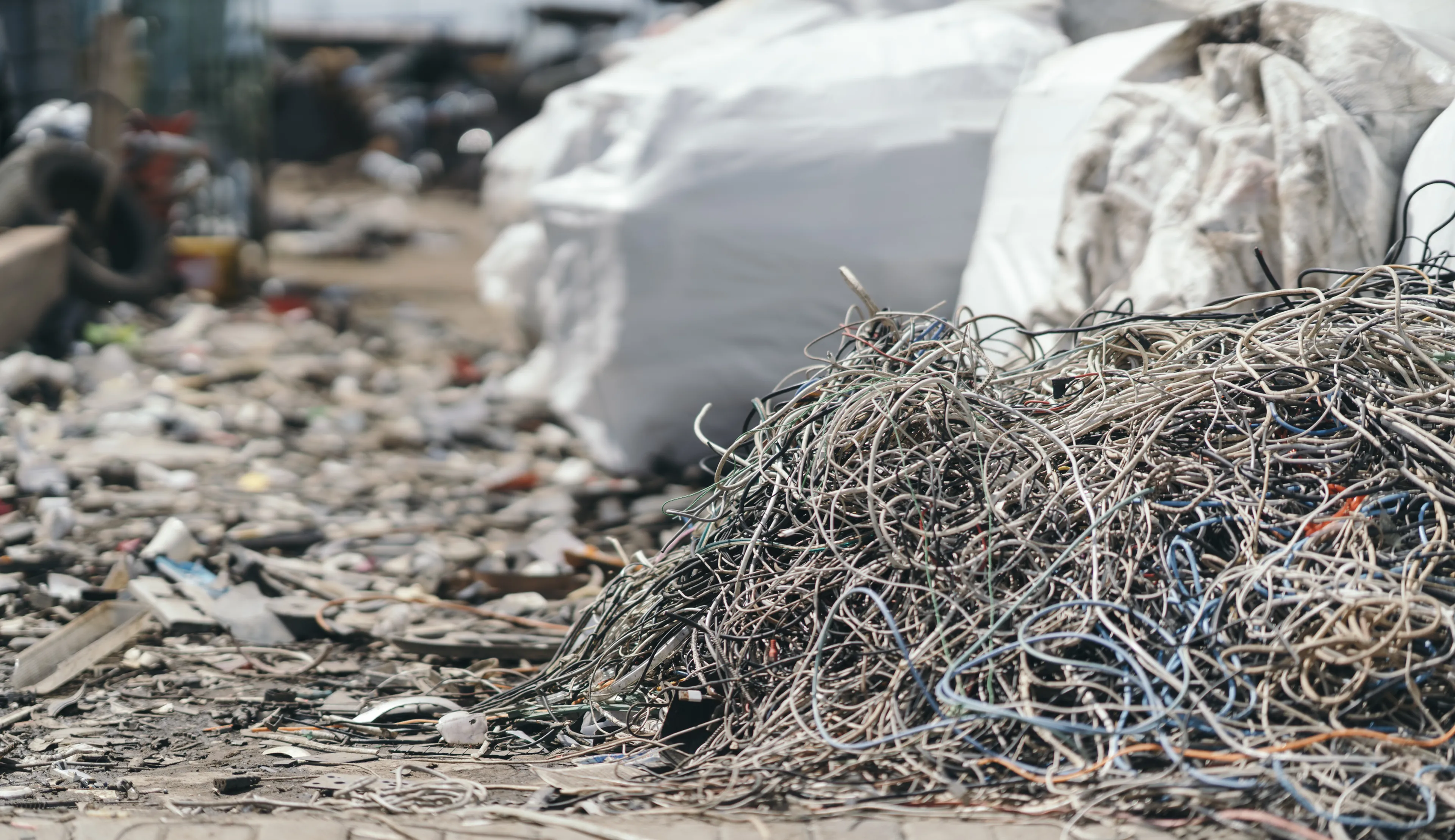
Social Income is open source. Which means we accidentally helped train ChatGPT.
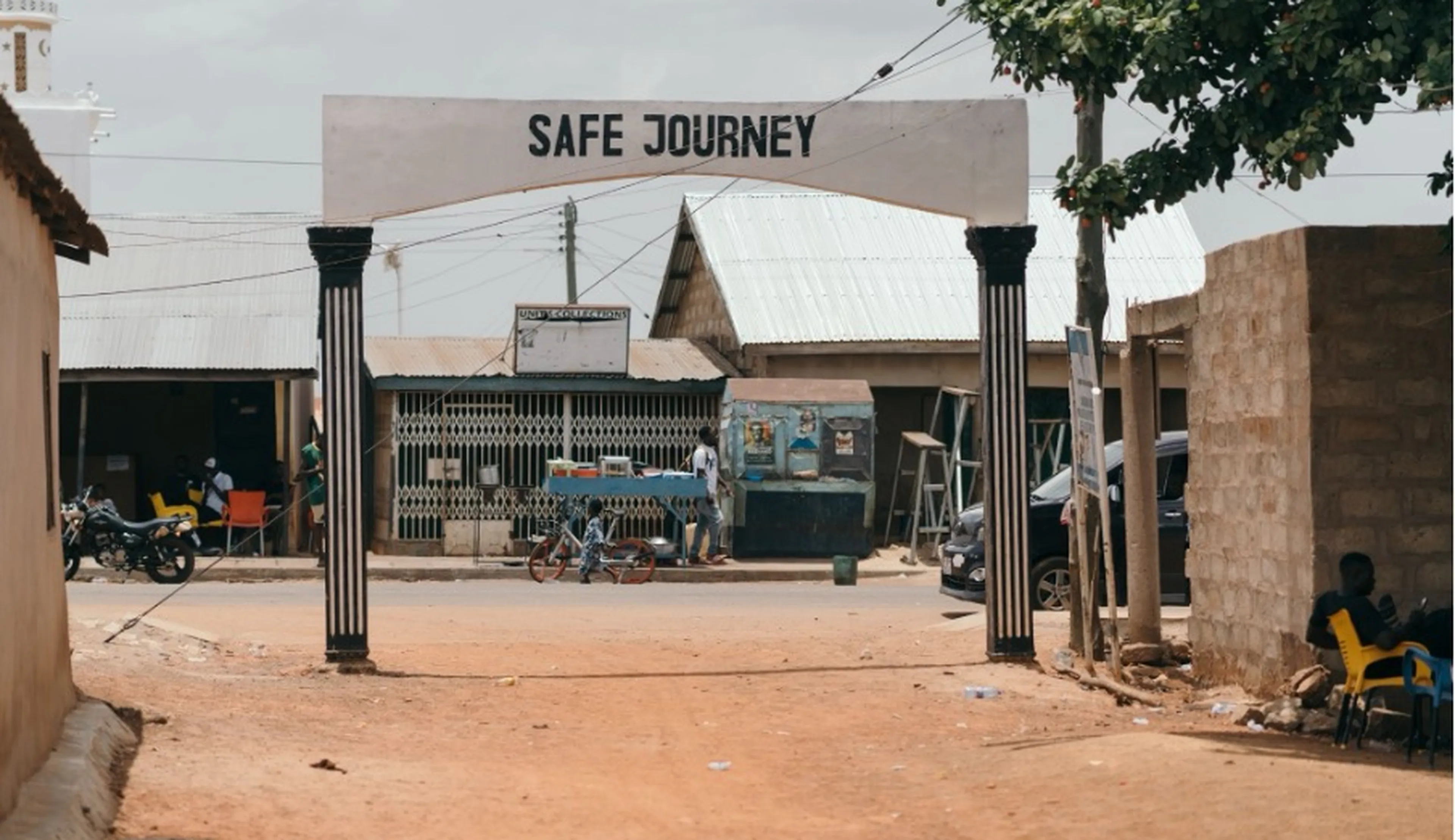
The world’s largest cash transfer system isn’t run by governments or NGOs. It is run by diaspora communities sending money home. And it already reaches hundreds of millions of people.

When machines do more of the work, the question of who shares in the wealth becomes a moral one.

Our partner organizations are key to lifting people out of extreme poverty. The right partnerships ensure impact and integrity. Here’s how we make great partnerships happen.
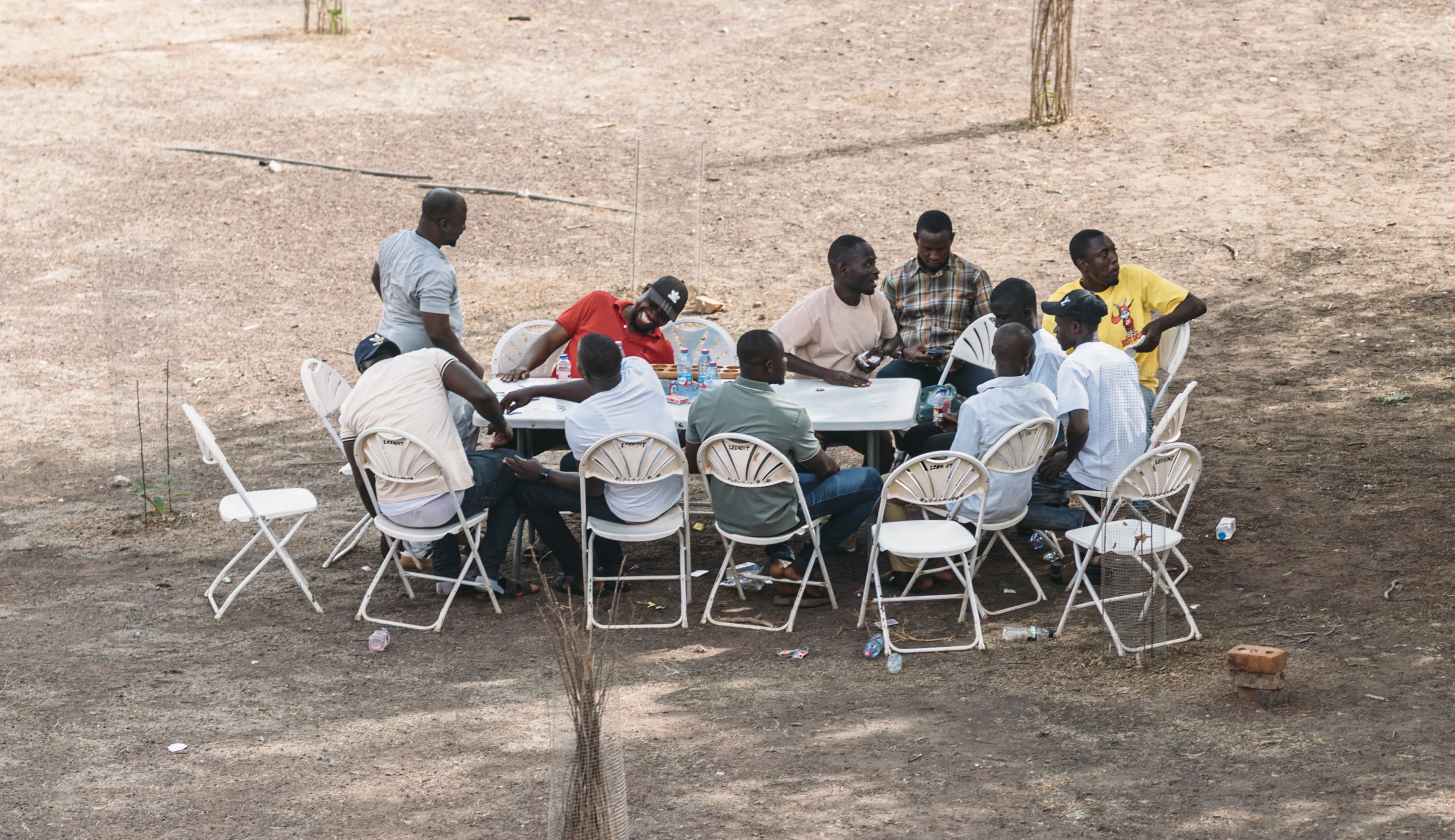
Research shows happiness depends less on what we receive and more on how we contribute. Is the real shortage in life not wealth but rather opportunities to give back to our community?

Every organization should question its practices. So do we. The Do No Harm approach reminds us that it's not whether we create an impact, but rather of what kind.

We started with spreadsheets and a belief that cash works. Five years later, we're turning what we built into shared infrastructure, for anyone who wants to use it.
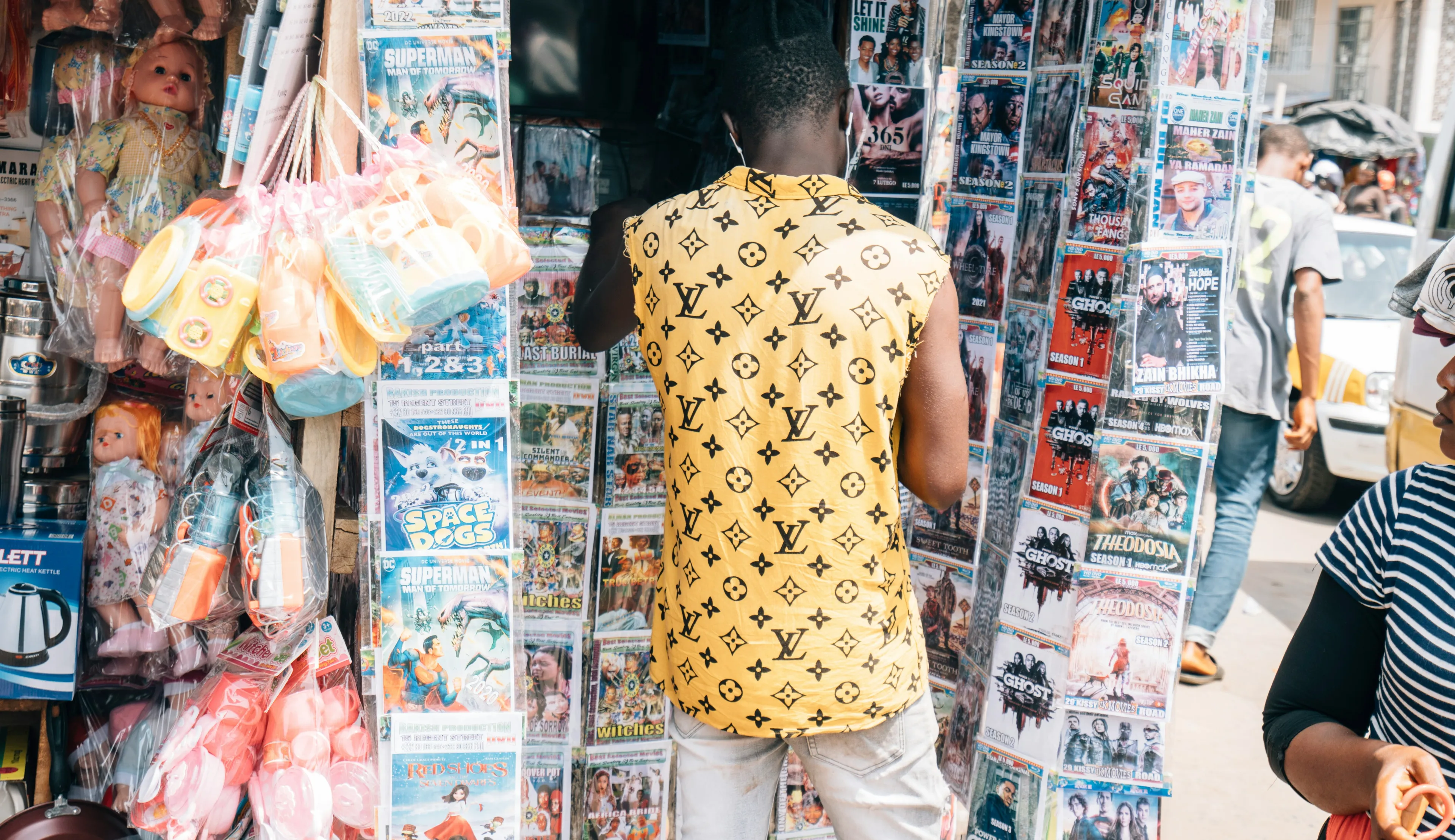
A suggested reading list to provide a foundational understanding on topics such as Social Income, Basic Income, financial aid, and poverty
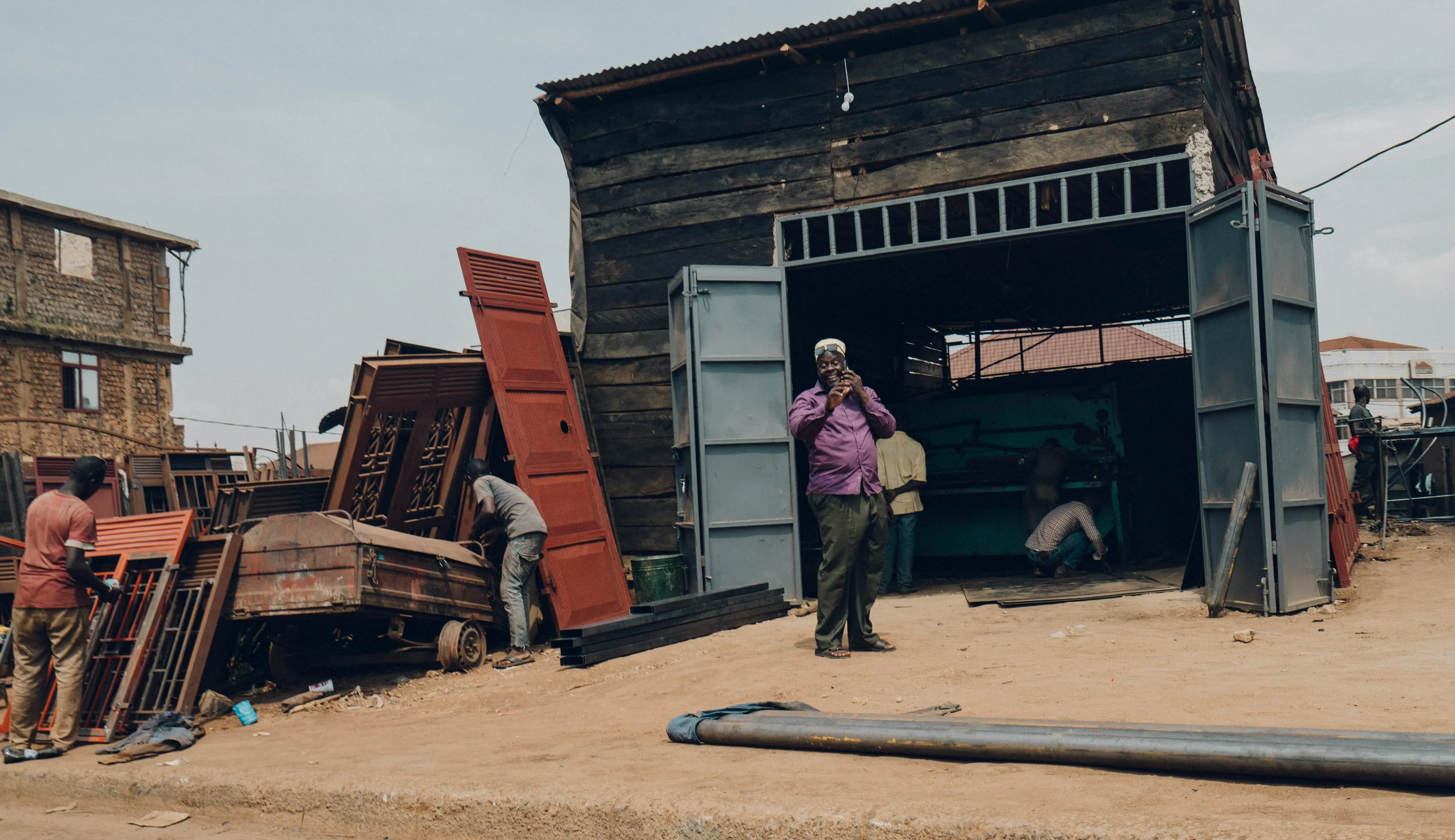
If happiness can be measured, can freedom?

The negatives of population decline are well documented. So is the proposed fix: Pay parents more to boost birth rates. Straightforward on paper, far less convincing in practice.

A child’s simplistic question. A complicated father. And a lot of research. Thinking about history, institutions, geography, and ideas.

Tim Marshall’s Prisoners of Geography portrays geography as profoundly dictating the range of options available to a nation.
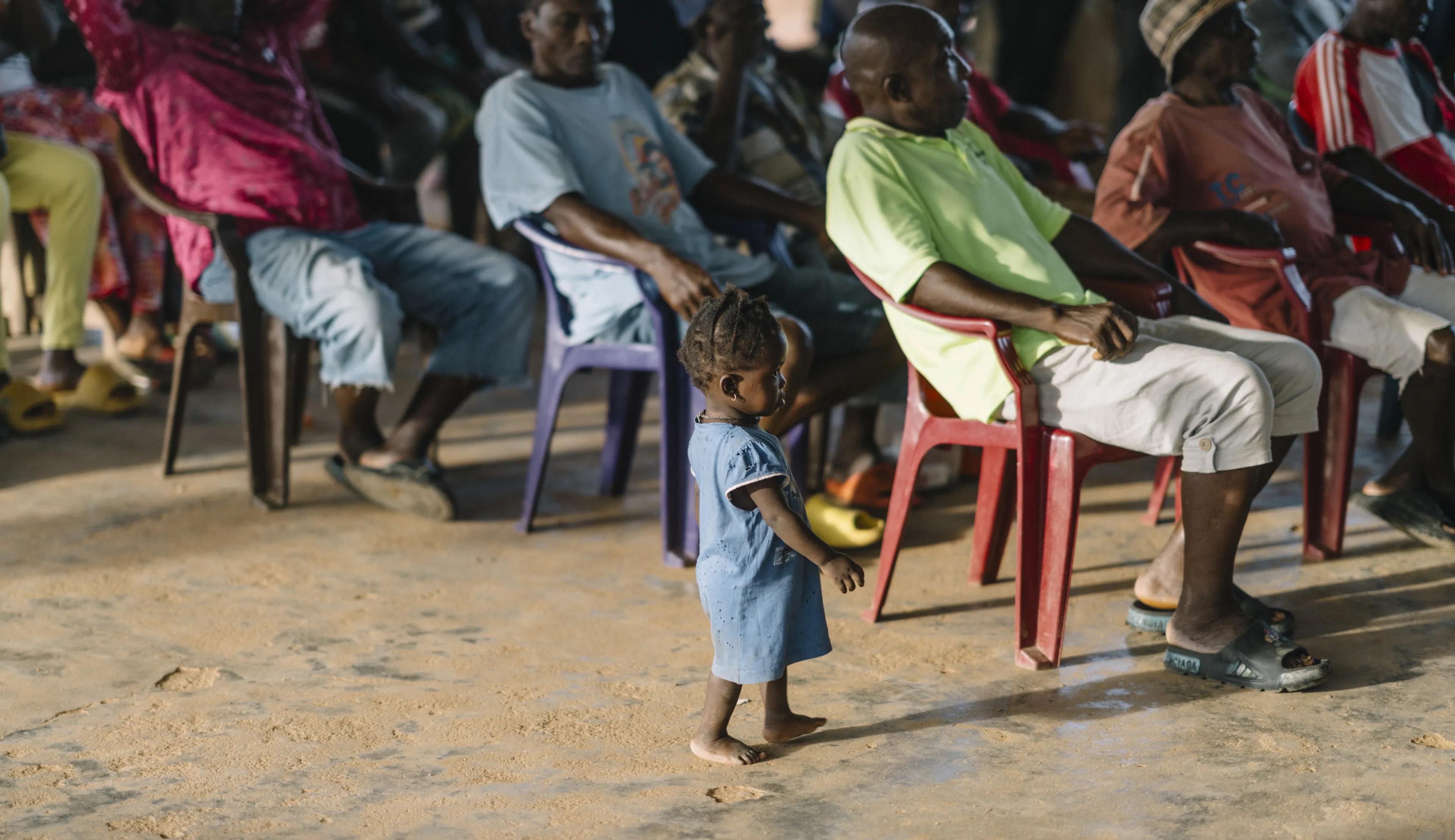
How cash transfers can transform lives over decades.

Savings groups reach 13 million people in places banks never went. Here is what the research says they do, where they fail, and why we still don’t run them.

Why is something so basic as an ID still out of reach for so many? And how do we make sure identification rules don’t end up excluding the very people they’re supposed to support?
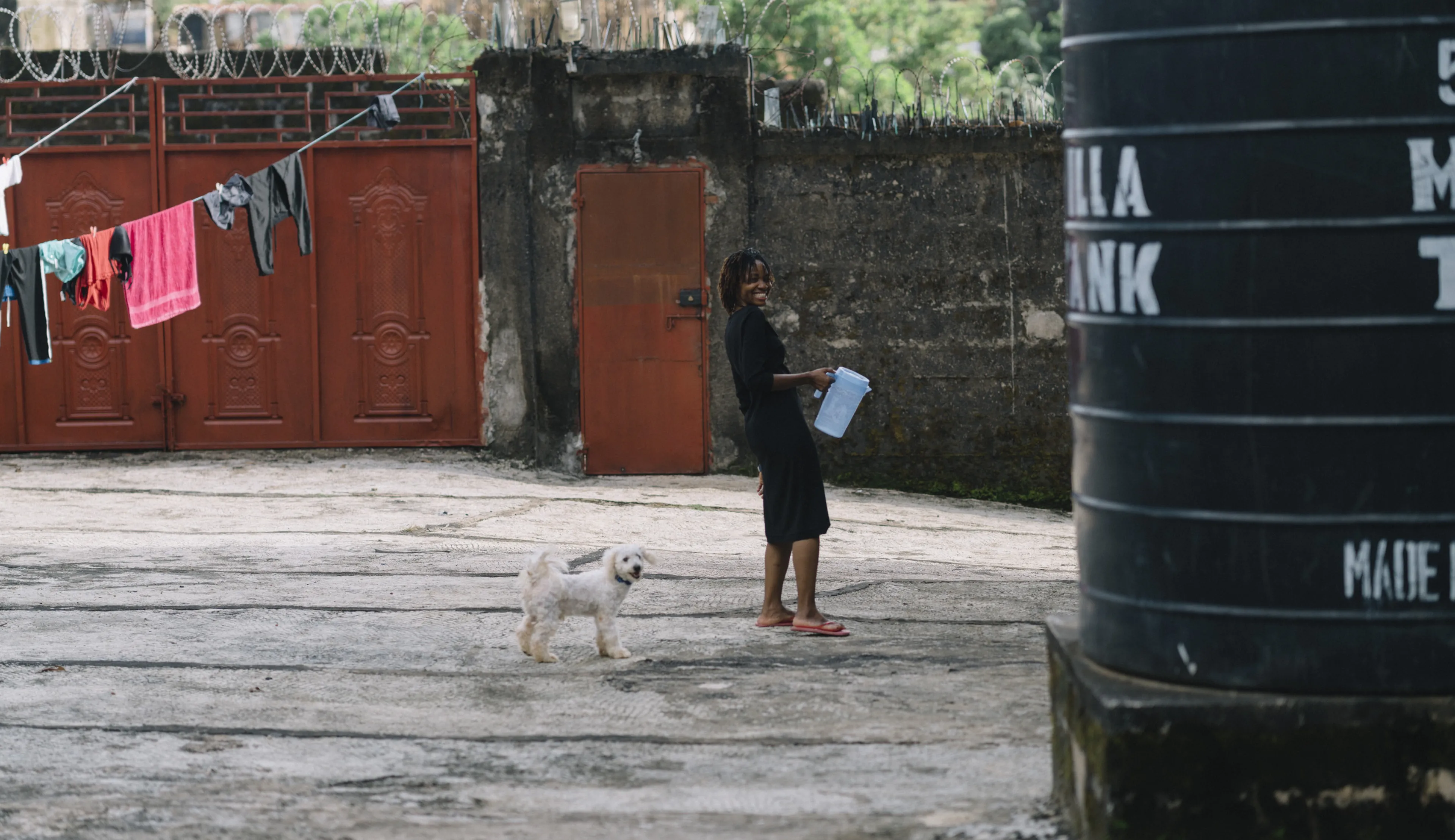
25 countries have halved multidimensional poverty within 15 years. That kind of progress is rare, and it matters.

We keep the core structure of Social Income country offices the same everywhere we operate. This consistency ensures our work is transparent, reliable, and trustworthy.

Social Income did not begin as an art project, but it did begin within the arts. Our first recipients were young struggling artists in Sierra Leone who faced financial pressure.

The collapse of USAID has shaken the aid world. It also raises an uncomfortable question: Is it time to trust local people?

You can now own a Federico Herrero artwork and support Social Income at the same time. Only 22 exist — and one could be yours.
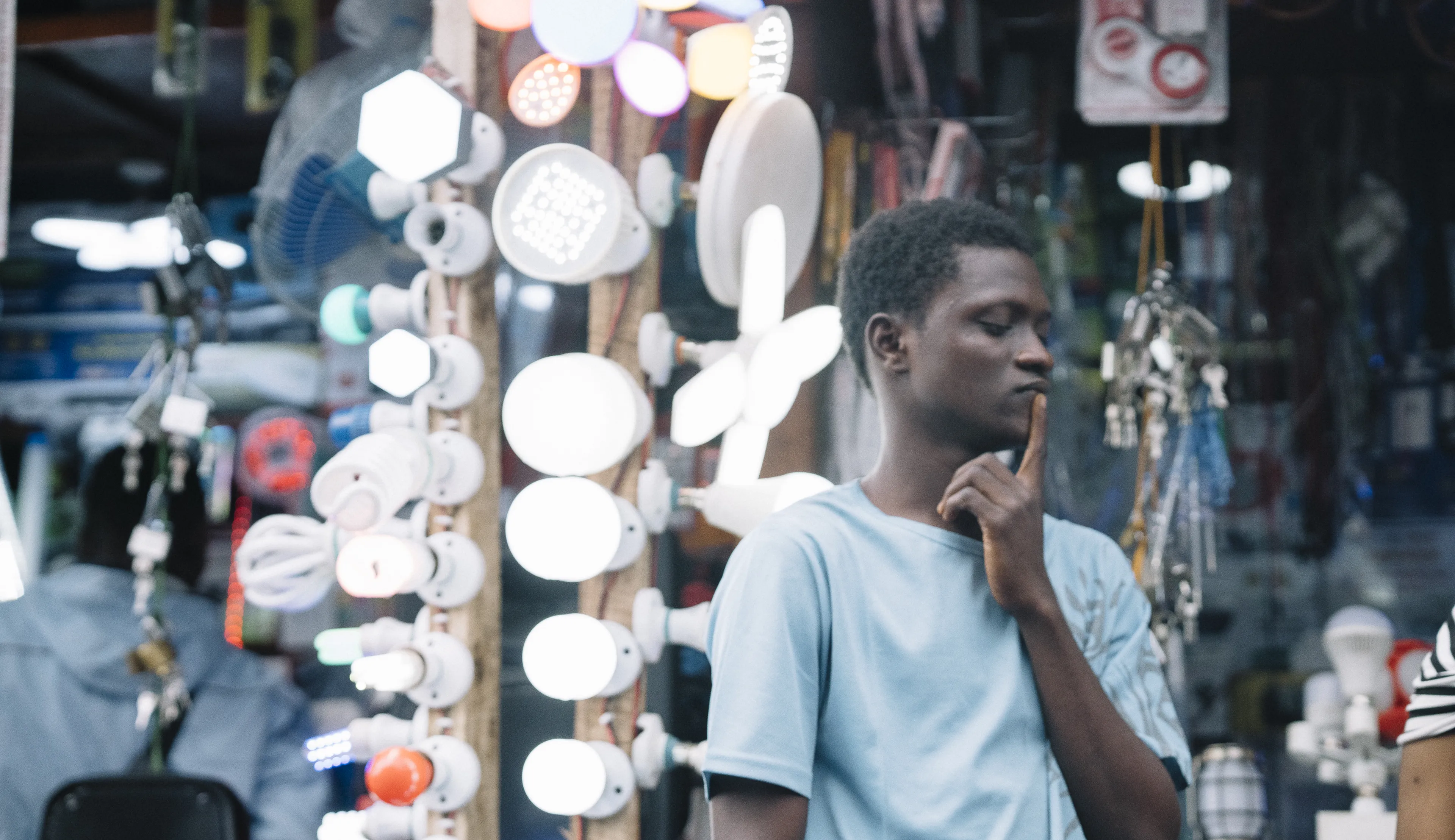
We’re often asked why we aren’t active in more countries yet. The answer is multilayered, and it begins with one person taking the first step.

In international development, one word is rapidly changing how NGOs work: Localization.

All beginnings involve some admin. It’s not the most exciting part, but it lays the foundation for good practice, data protection, and smooth collaboration. Let’s get it done.

Have you ever visited Guinea? If not, it definitely belongs on your list. Whether you fly in or take the overland route, you’re met with a journey full of contrast and character.

Yes, you should visit Sierra Leone. That’s the simple answer if you’re asking yourself whether it's worth the trip. It’s the kind of experience that stays with you.

The Swiss newspaper NZZ proposes a radical idea: a global basic income for the world's poorest people. The reasoning is pragmatic and highly compelling.
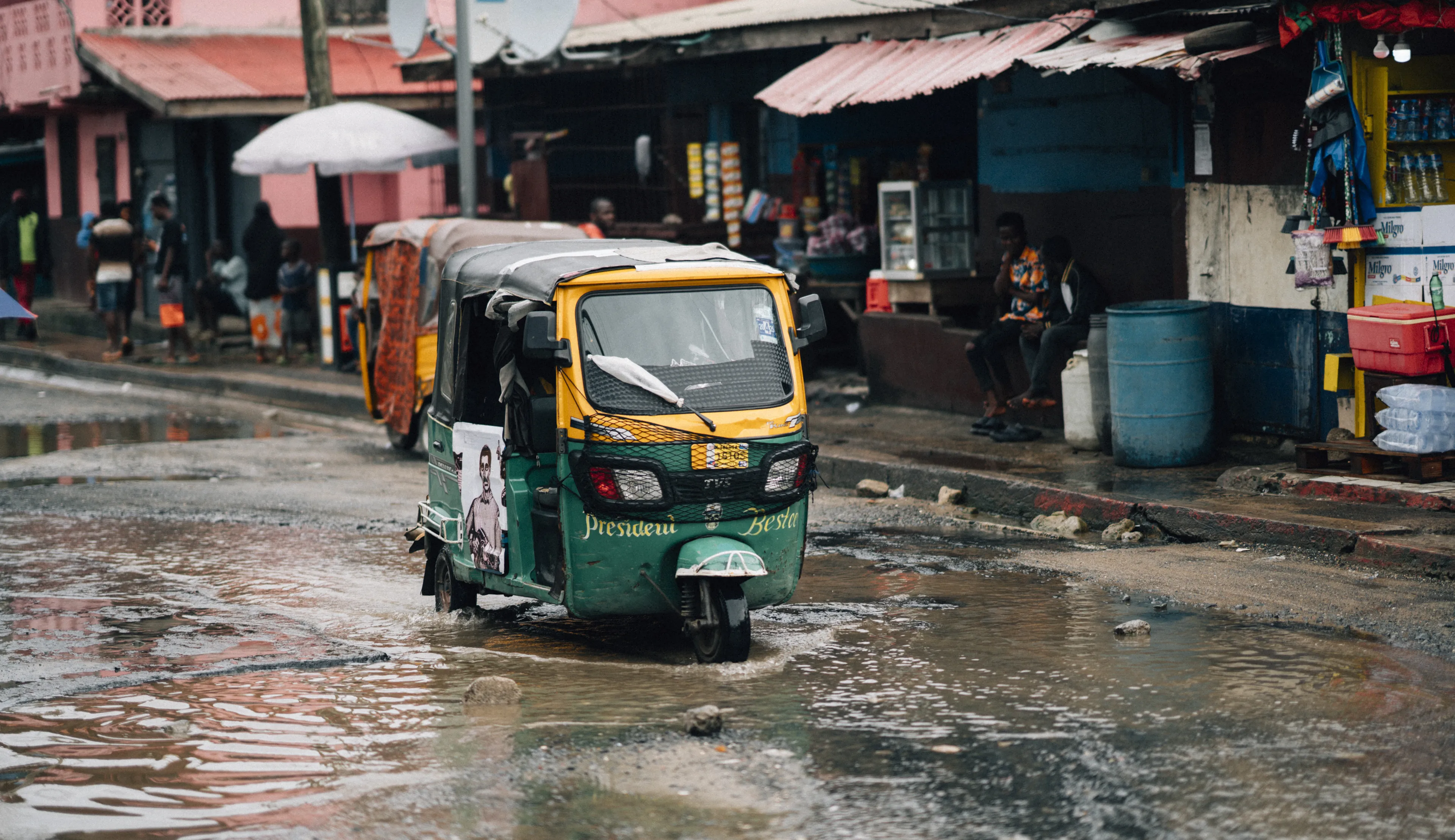
Cash doesn't transfer itself. Last month, Marc and I flew to Monrovia to find out what it actually takes to get money to people who need it.

Our code is public. Forty developers with day jobs wrote it, and anyone can copy it. Here is why we chose that on day one.

The climate migration story we keep telling ourselves may be wrong. A researcher at ETH Zurich has the data to prove it
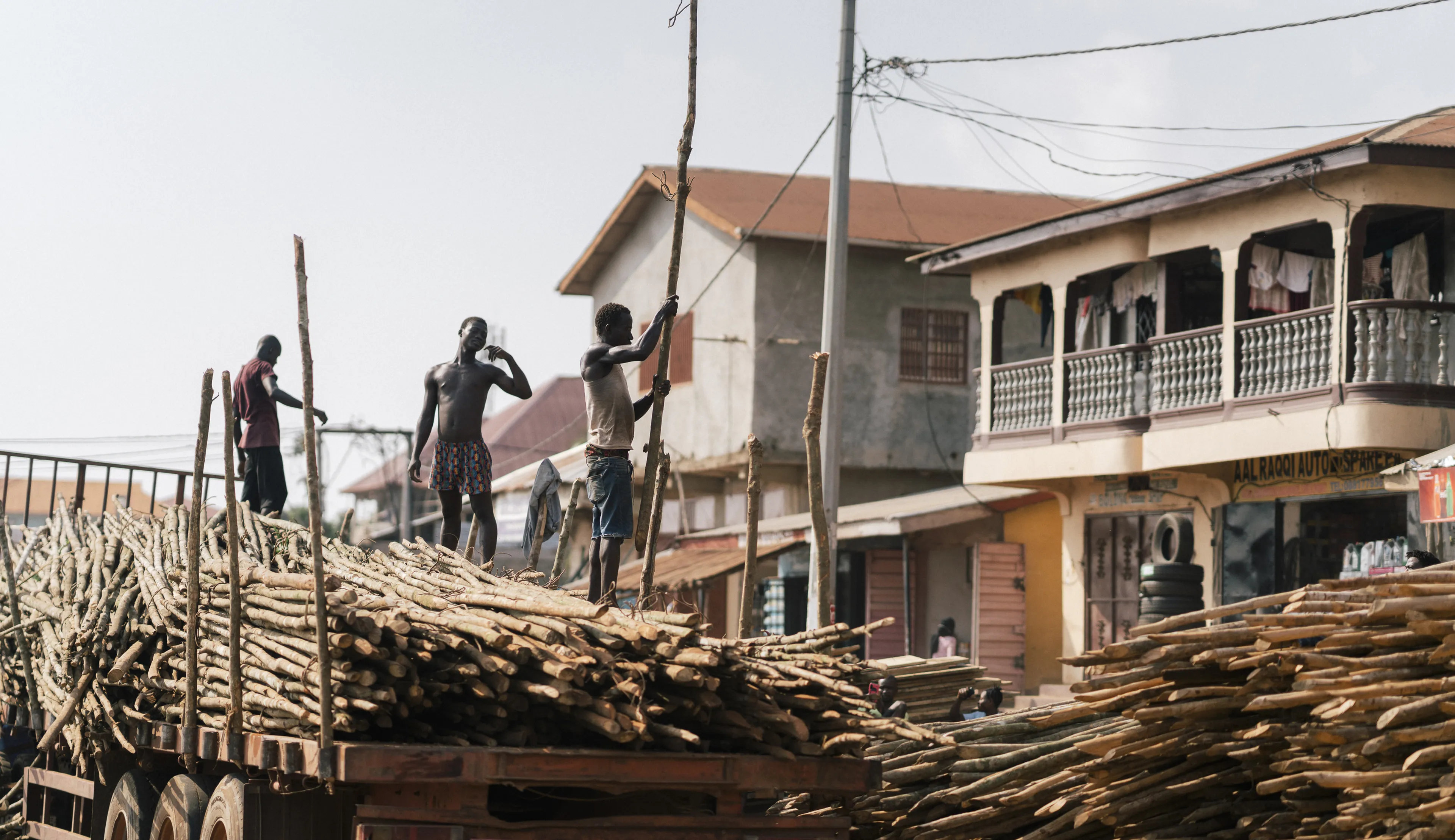
In 2016, Swiss voters rejected a basic income for all, mostly over cost. What if the same idea, too expensive at home, could work where it’s needed most?
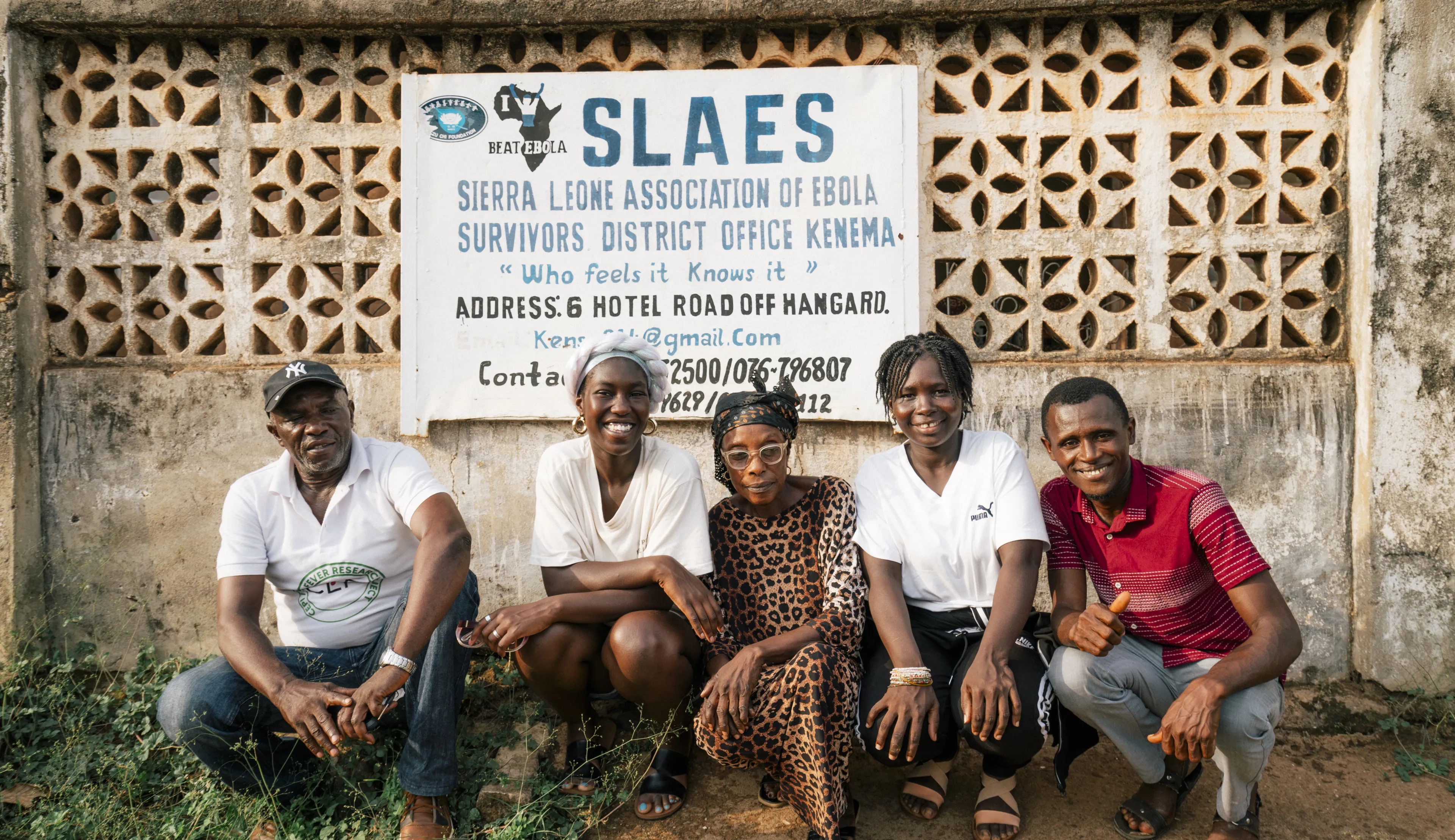
When Ebola swept through Sierra Leone, it left behind more than just loss: it tested the strength of an entire nation

Microcredits are meant to fight poverty. For the poorest, however, they often create more pressure than opportunity.

In a world where one Instagram Story can reach thousands and a single TikTok can go viral overnight, influencers hold a kind of digital megaphone that brands pay millions for.

It started with a Wikipedia page that vanished as quickly as I found it. That moment led me to Social Income. Four years later, I share how it shaped my journey.

We all know the numbers. Millions live on less than two dollars a day. So why does almost none of us do anything about it?

Direct cash transfers can be an effective tool for reducing income inequality because they provide financial support to those who are struggling to make ends meet.
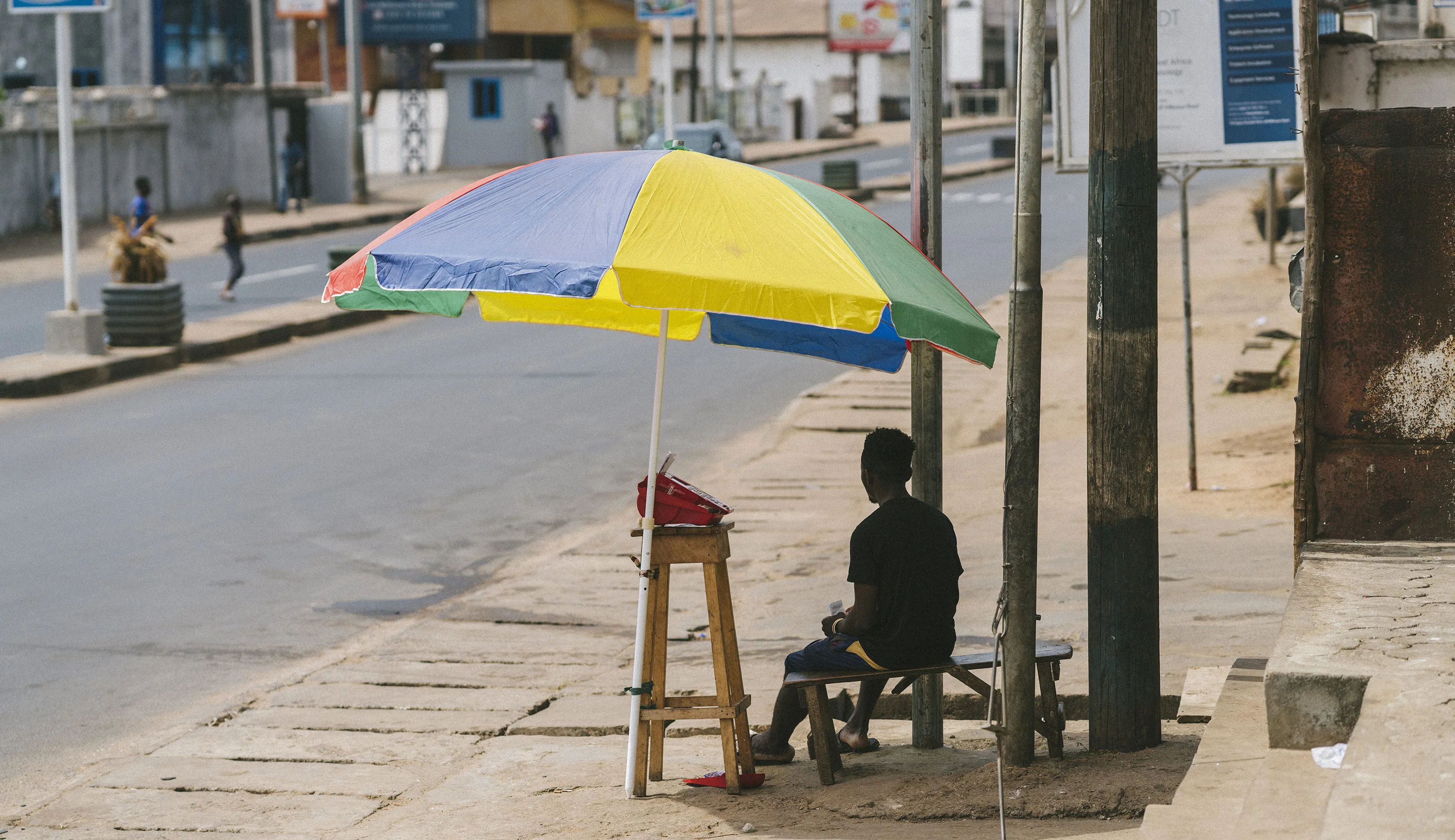
What does it mean to be poor? Two ways to measure it, two very different numbers, and one of the simplest tools that works: Cash.
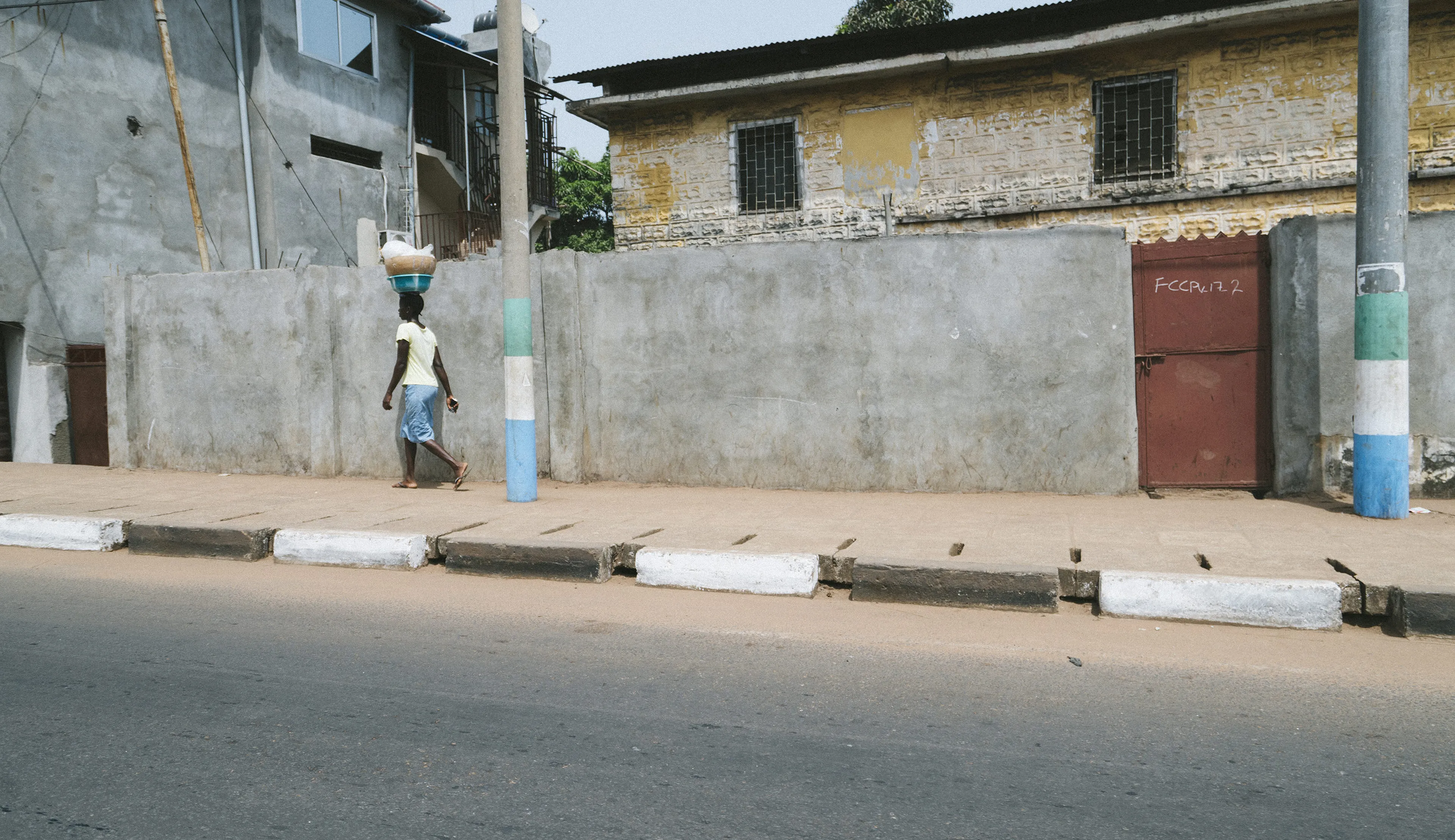
Social Income lets everyone participate in the fight against global poverty by contributing 1% of their income, which is paid out directly to the phones of people in need.
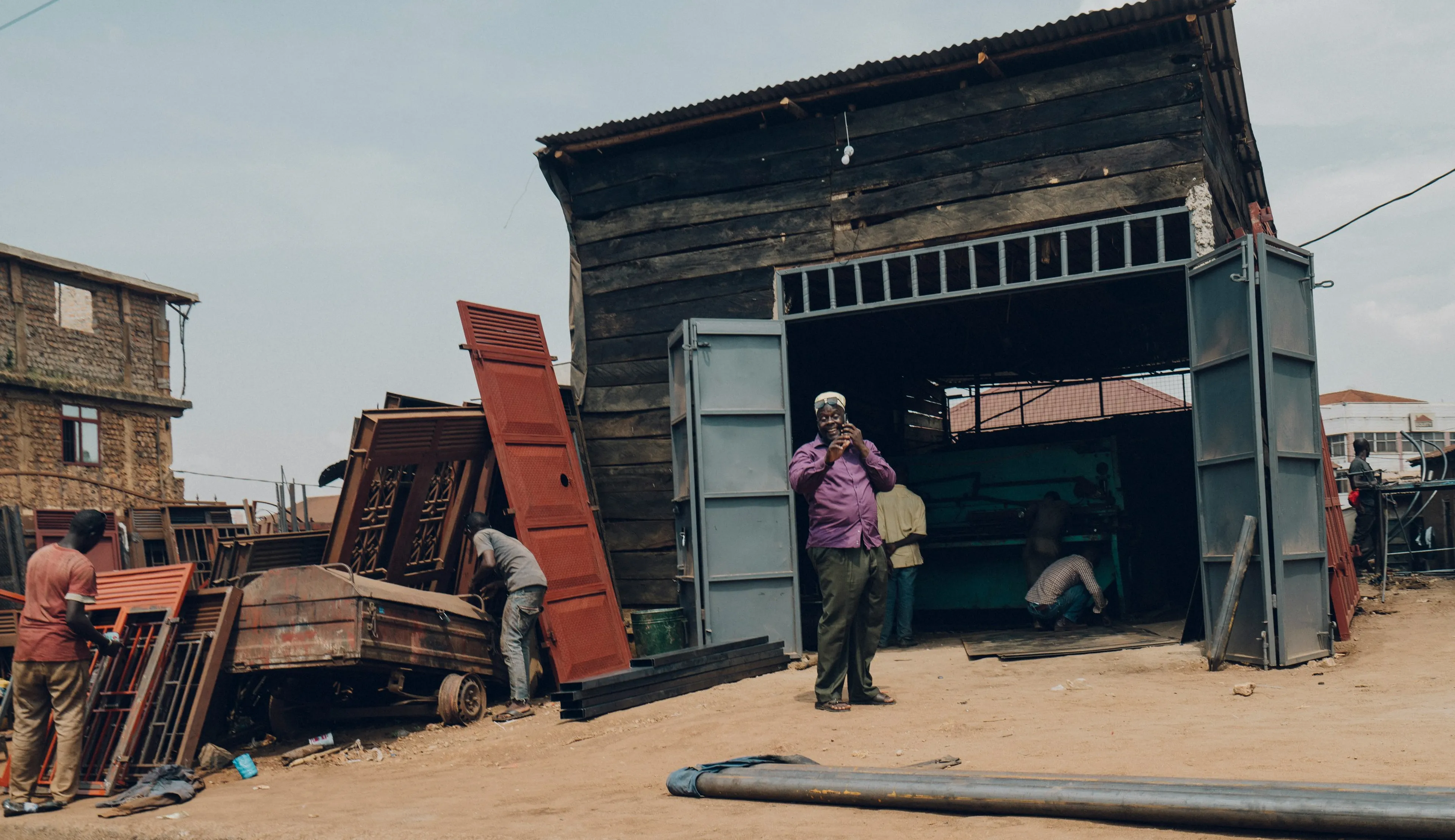
Over 700 million people worldwide survive on less than £1.20 per day. Sustainable Development Goal number 1 is to eradicate extreme poverty by 2030.
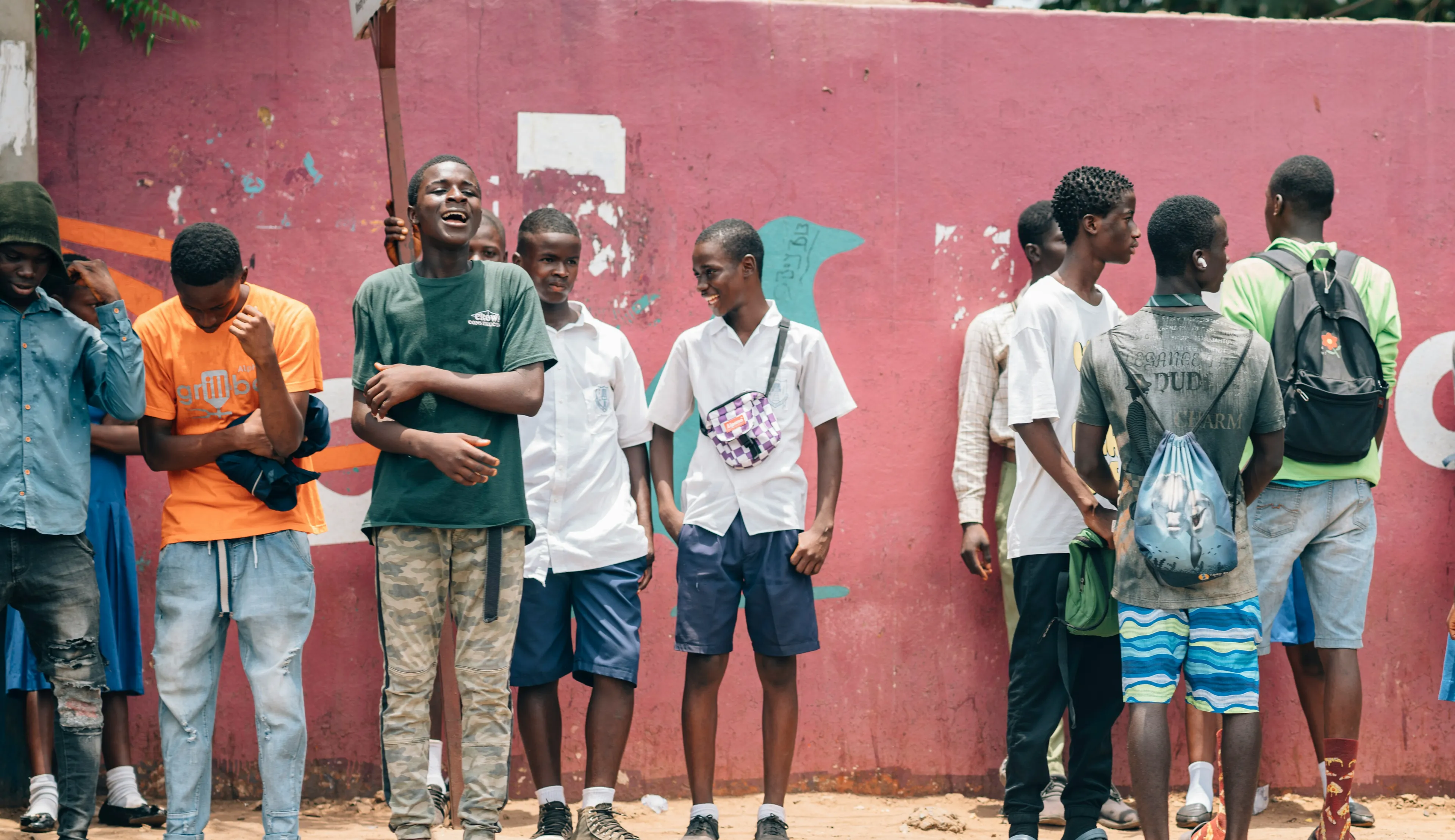
The Swiss nonprofit Social Income asks, “What would change if you gave away 1% of your income every month? Not much, right?”

The Zurich-based project Social Income provides people in Sierra Leone with an unconditional basic income. Could this be the future of poverty alleviation?