

We Built a Tool. Now Anyone Can Use It
We started with spreadsheets and a belief that cash works. Five years later, we're turning what we built into shared infrastructure, for anyone who wants to use it.
In 2020, we started Social Income with a simple belief: giving cash directly to people in extreme poverty is one of the most effective ways to create lasting change. The evidence backed it up. What we didn't anticipate was a far more mundane problem.
There was no software to run a cash transfer program. Nothing that could handle donations, select recipients, track mobile money payments, confirm transfers, and stay transparent month after month.
No Tool, No Problem. Or So We Thought.
So we started anyway and improvised with spreadsheets, improvised workflows, and a lot of manual work.
And we began building the platform we wished existed.
From day one, this was built by an open source community: developers with day jobs who showed up at night. Quite a few came from big tech companies, putting their skills to work for something that matters.
Social Income on GitHub
Progress was tangible: feature by feature, bug by bug, payment by payment. Over time, the rough edges smoothed out. We learned what actually matters when you're running programs in the field: what breaks, what needs to be simple, and what has to be bulletproof.
If It Works for Us, Why Should It Only Work for Us?
Then a question kept surfacing: if this works for us, why should it only work for us?
Many organizations want to run cash transfer programs but struggle to get started, and most stop there. What if there were a tool that took care of international payments, recipient selection, fundraising, and monitoring? Organizations might actually launch a pilot. That's our bet. It also felt like a second way to live our mission: not just by raising more donations ourselves, but by helping others deliver cash to people in need.
Making this vision real meant rebuilding the platform so it could be used securely by multiple organizations at the same time, and scale to thousands of recipients across different countries. That's not a small undertaking. It needed sustained investment and developers who could contribute during the day, not just after work hours.
On Money and Principles
We were firm on how we'd fund it: we wouldn't redirect donations meant for recipients, and we weren't interested in outside investors. We were never trying to build a business anyway. So we went looking for foundations that fund exactly this kind of shared, public interest infrastructure. Not every door opened. But one did.
In 2025, we began a four year partnership with the Somaha Foundation, which committed close to half a million Swiss francs to make it possible. We defined clear goals for the first two years, not just to track progress, but to stay accountable to the people this work is meant to serve.
By the end of year one, we aim to have 500 recipients enrolled in multiyear programs, with three programs run by partner organizations across two countries. By the end of year two, we want to reach 1,000 recipients, five programs run by partners, and active work in three countries.
From here, we build. The same way we always have, just faster and for more people. Our KPIs are public, our code is open, and every payment is tracked. If you want to follow along or contribute, everything is on GitHub.

Sandino Scheidegger
Author (20 articles) · Management
Founder of Social Income
Volunteering since
Keep reading

What Is Poverty in 2026?
In 2026, about 811 million people live on less than $3.00 a day. One in ten of us. A number that has barely moved since the pandemic.

Our Five Nonnegotiables
Social Income has changed a lot since 2020. While our principles have stayed much the same, we continue reviewing every one of them regularly. Here is where we stand today.
How We Work With Local Partners
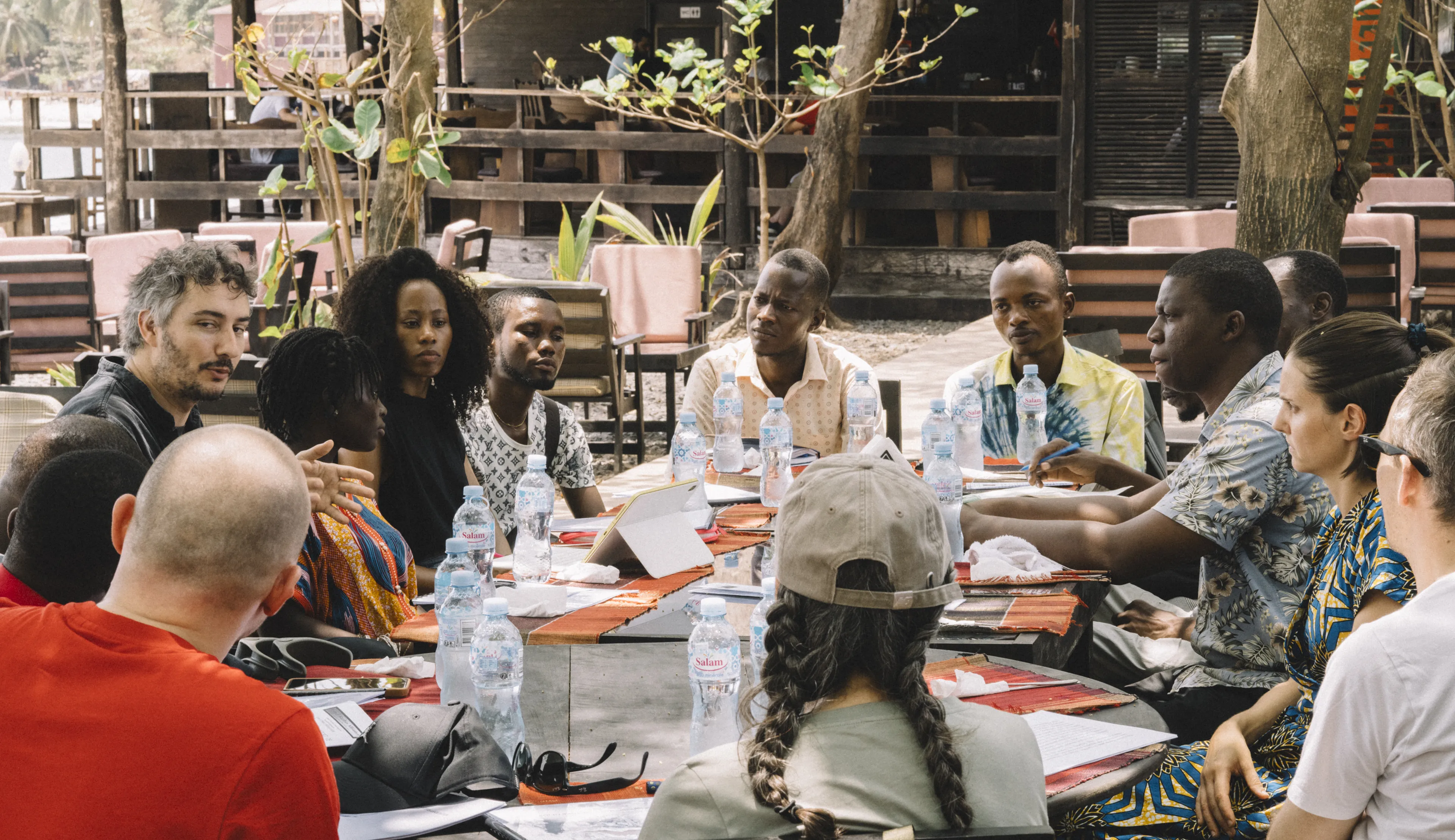
We work closely with local organizations in every country we are in. We support communities through local partners and this is how we do it together.